Winter Walkways That Were Never Cleared
Ice & Snow Accidents in West Orange for slip and fall injuries on untreated sidewalks and parking lots
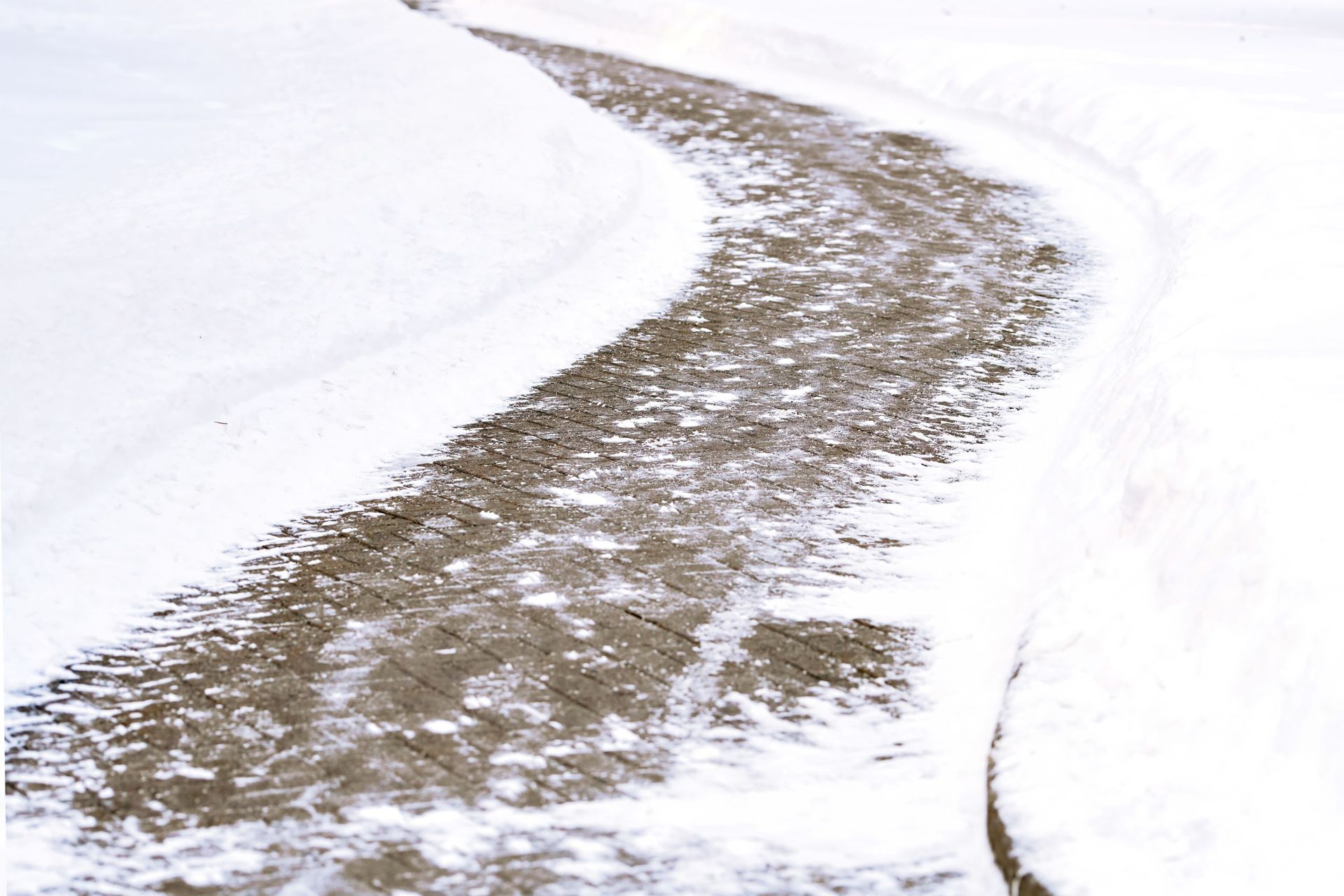
Brown Law, LLC represents individuals injured in winter slip and fall accidents throughout West Orange and Essex County when property owners fail to clear ice and snow from walkways, parking areas, and building entrances. You trust that apartment complexes, shopping centers, and businesses will maintain safe conditions during New Jersey winters, but untreated sidewalks and refrozen runoff create hazards that frequently result in serious injuries. When you step onto what appears to be a cleared path only to encounter black ice hidden beneath a light dusting of snow, the fall can happen before you realize the danger exists.
Property owners in New Jersey must maintain reasonably safe conditions during winter weather, which includes timely snow removal, salting walkways, and addressing areas where melting snow refreezes overnight. Liability often hinges on whether the owner had adequate time to respond to the weather event and whether maintenance protocols matched the severity of the conditions. Common accident scenarios include parking lots plowed but never salted, sidewalks cleared days after a storm, and entryways where foot traffic compresses snow into slick ice. Injuries from these falls frequently involve fractures, head trauma, spinal injuries, and torn ligaments that require months of treatment and result in lost income.
If you were injured on icy or snow-covered property in West Orange, contact Brown Law, LLC to evaluate whether the property owner met their maintenance obligations.
Practice Areas
How Property Maintenance Records Affect Your Case
Your claim depends on establishing that the property owner knew or should have known about the hazard and failed to address it within a reasonable time frame. Determining liability requires investigating maintenance records that document when plowing and salting occurred, weather reports showing storm timing and temperature fluctuations, and witness accounts describing how long the hazard existed before your fall. If the property maintains a log of snow removal activities, gaps in that record may indicate neglect during critical periods when refreezing created dangerous conditions.
After your fall, you will notice whether incident reports were filed, whether the property took immediate corrective action, and whether similar complaints had been raised by other tenants or visitors. Brown Law, LLC examines these details alongside photographs of the scene, medical records documenting your injuries, and any communications you had with property management following the accident. The outcome of your case often turns on whether the evidence shows a pattern of inadequate winter maintenance or a single oversight during an unusually severe weather event.
Documentation must be gathered quickly because ice melts, conditions change, and memories fade as time passes. Preserving evidence includes photographing the exact location where you fell, noting the presence or absence of salt or sand, and identifying any witnesses who saw the hazard before your accident. New Jersey premises liability law does not hold property owners strictly liable for every winter slip, but it does require them to act reasonably given the circumstances and the time available to address known hazards.
What You Should Know About Winter Injury Claims
Winter slip and fall cases in West Orange raise specific questions about timing, responsibility, and the strength of your claim based on the conditions you encountered.
What evidence proves the property owner failed to maintain safe conditions?
Photographs showing untreated ice, maintenance logs with gaps during storm periods, and witness statements describing how long the hazard existed all help establish that the owner did not act reasonably.
How long does a property owner have to clear snow and ice after a storm?
New Jersey law does not set a fixed time limit but requires reasonable action given the severity of the weather, the type of property, and the volume of foot traffic expected.
Why does black ice create different liability issues than visible snow?
Black ice is difficult to see and often forms overnight when temperatures drop after daytime melting, which means property owners must anticipate refreezing and apply salt or sand even after initial clearing efforts.
What injuries are most common in winter slip and fall accidents?
Fractures of the wrist, hip, and ankle occur frequently when you try to break your fall, while head trauma and spinal injuries result from backward falls onto hard pavement or concrete.
When should you contact an attorney after a winter slip and fall in West Orange?
You should reach out as soon as your medical condition allows because evidence deteriorates quickly and insurance companies often contact injured individuals before they understand the full extent of their injuries.
Winter accidents on poorly maintained property can leave you facing months of recovery and mounting medical bills. Reach out to Brown Law, LLC to review what happened, assess the property owner's maintenance practices, and protect your right to compensation for injuries that resulted from conditions the owner should have corrected.